
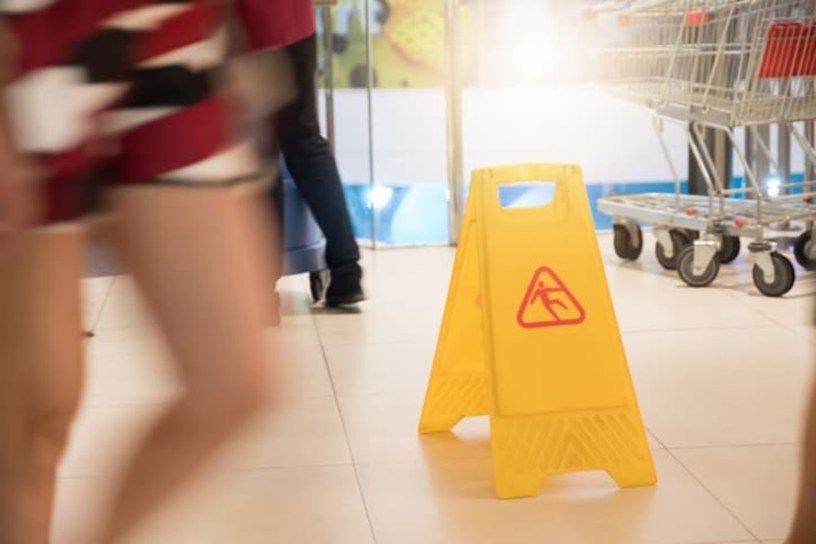
Retail stores are sometimes the site of accidents. While not all incidents in retail stores will result in liability, those caused by the store’s negligence can support compensation claims. Shop owners and operators have a legal duty to keep their premises reasonably safe and hazard-free for lawfully present visitors. This duty includes an obligation to correct hazards the owners should know or do know about as quickly as possible to prevent injuries that could foreseeably happen. When a retail store fails to adhere to its duty of reasonable care, it can be liable when a shopper, employee, or someone there for business purposes is injured by an uncorrected hazard. The store accident lawyers at the law firm of Steven M. Sweat, Personal Injury Lawyers, APC, can assess your claim and help you understand your legal rights following a retail shop accident.
Retail Store Negligence and the Duty Of Care
The duty of care owed by retail stores extends to shoppers, staff, contractors, wholesalers, delivery drivers, and others. Those present for a legitimate business reason are classified as invitees under California premises liability law. Property owners and operators owe the highest duty of care to invitees since they benefit from shoppers and others there for business reasons. This duty includes inspecting the premises to identify hazards, quickly repairing discovered dangerous conditions, and warning visitors of their presence. When a shop fails in this duty, resulting in a visitor’s foreseeable injury, the store can be liable to pay damages.
Damages include the economic and non-economic losses a victim suffers because of their injury, including:
- Past and future medical expenses incurred to treat the injury
- Past lost wages and the reduction of the victim’s earning capacity
- Out-of-pocket expenses incurred with seeking help
- Any property losses
- Physical pain and suffering
- Emotional/psychological trauma
- Disability
- Reduced ability to enjoy life
- Other damages
What Are Store Premises?
The store’s duty to maintain its premises extends beyond the retail space. It also includes walkways, sidewalks, and parking lots leased or owned and maintained by the shop. In places where several retailers share parking lots and access sidewalks, the outside infrastructure of the zone will be a particular company’s or collective’s responsibility. For example, if someone is injured because of poor maintenance in a strip mall’s parking lot, the strip mall’s owner might be liable.
Common Causes of Retail Accidents
Many different injuries can happen while visiting retail stores. The following are common examples of incidents that could result in liability:
- Uncleaned spills on floors
- Torn carpets or broken tiles
- Slick, wet entrances during rain
- Unsafe materials and debris left in aisles
- Poorly stacked merchandise falling from shelves
- Jagged, sharp shelf or showcase edges
- Broken handrails on stairs
- Malfunctioning escalators/elevators
- Inadequate lighting in stairwells and parking lots
- Inadequate security in parking lots
- Malfunctioning mobility scooters provided to guests
- Poorly maintained sidewalks or parking lots
- Broken pavement or asphalt
What To Do If You Are Injured in a Retail Store Accident
If you are injured while shopping at a retail store, you should take the following steps:
1. Check yourself for injuries – The first thing you should do is to check yourself for injuries. If your injuries are severe and obvious, ask someone to call 911 to summon emergency help. Be aware that some injuries might not show immediate symptoms, so you should always get checked out by a doctor after a retail store or another type of accident.
2. Notify an employee – Ask a nearby employee to get the manager. If no one is nearby, ask another shopper to get the manager for you. The manager should write an incident report. They will likely ask you questions about the incident. Stick to the facts when speaking to them, and avoid assuming any fault. Ask for a copy of the report. Avoid signing anything without having your attorney review it, because you might be presented with a liability waiver.
3. Document the scene – If you can, use your smartphone to take photographs of the condition that caused your accident. You should also photograph your injuries. Look for nearby cameras in the retail store that could have caught your accident. It’s important to identify surveillance video cameras to ensure the footage is preserved. Stores typically erase this type of footage every 30 days or so.
4. Ask witnesses for their names and contact details – If others saw your accident, ask them for their names and contact information. If they agree, ask them for permission to record them with your phone explaining what they saw.
5. See a doctor – If your injuries are serious, go to the hospital from the store. Accept a ride on an ambulance. If you can safely move and don’t need an ambulance, you should still see your doctor as soon as possible. If your doctor can’t get you in, go to an urgent care center for an examination.
6. Consult a personal injury lawyer – After you have received a diagnosis of your injuries and appropriate treatment, consult a personal injury attorney at the Los Angeles law firm of Steven M. Sweat, Personal Injury Lawyers, APC. It’s important to seek help quickly after a retail store accident. A lawyer can review your case and explain your legal options. If you and the attorney agree to representation, your attorney can quickly send a preservation letter to the store to ensure video footage and other evidence are preserved.
7. Continue seeing your doctor – Some people fail to follow through with their medical treatment following a retail store accident. If you don’t follow your doctor’s recommendations for follow-up care, you’ll have difficulty proving your injuries were serious. This will make it harder to win your claim.
Documents to Gather After a Retail Store Accident
You’ll need to gather multiple documents following your accident. The following documents will help with your insurance claim or legal case:
- The store’s incident report
- The store’s insurance company name
- Witness information and statements
- Photos and other evidence from the store
- Medical records
- Expense receipts
- Wage loss statement
Pursuing a Retail Accident Claim
Retail stores commonly mount aggressive defense cases to accident claims. Since stores often have general liability insurance with high policy limits, the insurers tend to be especially aggressive in cases involving serious injuries because of the amount of money that might be involved. If your injuries are relatively minor, it might not be as difficult to pursue your claim. However, it’s best to consult an experienced premises liability attorney to determine your legal options and strategies. An experienced lawyer can explain the merits of your case, its strengths and weaknesses, and the arguments for and against your side. A good lawyer will provide an honest assessment of your case and whether you have grounds to move forward.
 Officials Law Blog