
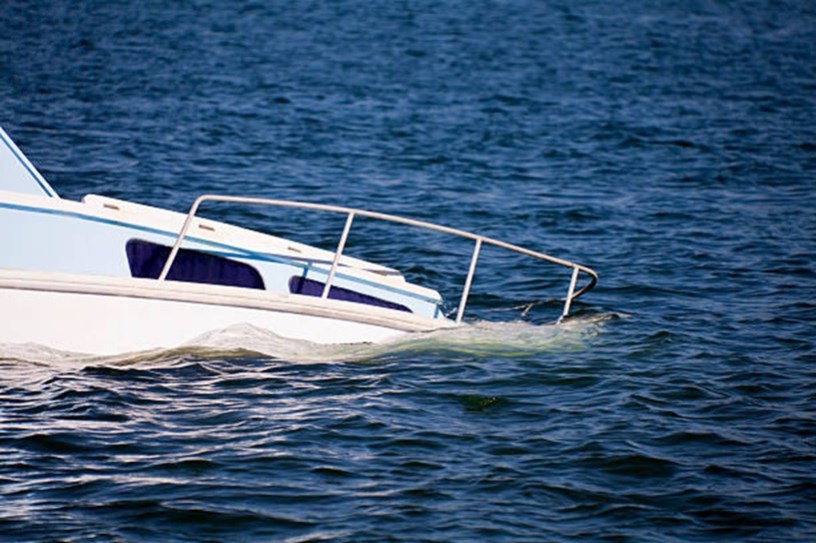
Understanding Liability in Boating Accidents
Florida’s waterways attract countless residents and visitors who enjoy recreational boating throughout the year. While boating can provide relaxation and adventure, accidents on the water can lead to severe injuries, property damage, and emotional distress. Determining liability after a boating accident is often more complicated than a traditional vehicle collision because many different factors may contribute to the incident.
When an accident occurs on Florida waters, identifying who acted negligently becomes one of the most important steps in pursuing compensation. Liability may involve boat operators, passengers, rental companies, manufacturers, or even maintenance providers depending on the circumstances surrounding the accident.
Common Causes of Boating Accidents
Operator Negligence
Many boating accidents occur because operators fail to exercise reasonable care while navigating the water. Distracted boating, excessive speed, reckless maneuvers, and operating under the influence are all common examples of negligence. Boat operators have a responsibility to follow navigation rules and remain alert to surrounding conditions.
Failure to maintain a proper lookout can quickly lead to collisions with other vessels, docks, swimmers, or submerged objects. In many cases, investigators review witness statements, boating records, and physical evidence to determine whether careless operation contributed to the accident.
Hazardous Water Conditions
Weather and water conditions can also play a role in boating accidents. Strong currents, reduced visibility, and sudden storms may increase the risk of collisions or capsizing incidents. However, operators are still expected to make safe decisions when conditions become dangerous.
An operator who ignores weather warnings or ventures into unsafe waters may still be held responsible if passengers or others suffer injuries.
Parties That May Be Held Responsible
Boat Owners and Rental Companies
Boat owners may face liability if they allow inexperienced or unqualified individuals to operate their vessels. Rental companies may also share responsibility if they fail to properly maintain equipment or neglect to provide safety instructions.
Mechanical failures such as steering problems or engine malfunctions can create dangerous situations on the water. If poor maintenance contributed to the accident, additional parties may be included in a legal claim.
Manufacturers and Equipment Providers
Defective boat parts or safety equipment may also contribute to serious injuries. Manufacturers can sometimes be held accountable when faulty components, defective designs, or inadequate warnings place boaters at risk.
Investigating these claims often requires careful examination of the vessel and related equipment to determine whether a product defect played a role.
Seeking Compensation After a Boating Accident
Victims of boating accidents may face medical expenses, lost income, physical pain, and long-term recovery challenges. Establishing fault is essential when pursuing financial compensation for these losses.
Because boating accident cases can involve multiple liable parties and complex maritime regulations, thorough investigation and legal guidance are often necessary to protect the rights of injured individuals and their families.
This post was written by a professional at Kearney Law. At Kearney Law, we’re dedicated to delivering personalized legal guidance that puts your needs first. Whether you’re looking for
Personal Injury Attorney St Petersburg FL, a real estate attorney near you, a probate attorney near you, or a title attorney near you, our team is ready to provide the focused representation you deserve. We recognize that every client’s situation is different, which is why we take the time to understand your case and craft strategies that align with your goals. With a commitment to protecting your rights and securing the best possible outcome, Kearney Law offers trusted legal support with the attention and care you won’t find just anywhere.

