
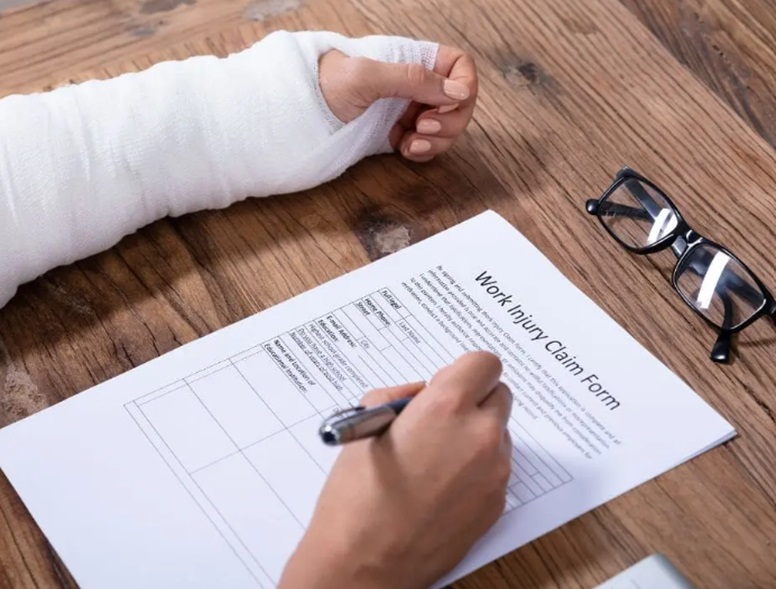
Filing an injury claim can be a complex and sometimes overwhelming process. Many people make assumptions about what is required, how much compensation they can receive, or how long the process will take. Approaching injury claims without assumptions ensures a clear understanding of your rights, obligations, and the practical steps necessary to achieve a fair outcome.
Understand the Nature of Your Claim
Before filing, it’s essential to determine the type of injury claim you are pursuing. Personal injury cases can range from slip-and-fall incidents to workplace accidents or motor vehicle collisions. Each type of claim has specific legal requirements, timeframes, and documentation needs. Understanding the nature of your claim helps you approach the process with realistic expectations.
Document Everything
Accurate documentation is crucial for supporting your injury claim. Medical records, photographs of injuries or accident scenes, witness statements, and any related bills or receipts provide concrete evidence. Avoid assuming that verbal explanations or informal notes will suffice—well-organized documentation strengthens your case and reduces the likelihood of disputes.
Avoid Speculation on Liability
It’s common for claimants to assume who is at fault in an accident. However, liability is determined by evidence and legal standards, not assumptions. Jumping to conclusions about fault can complicate negotiations or weaken your claim. Focus on presenting factual information and let legal professionals or insurance adjusters assess responsibility based on the evidence.
Understand Compensation Scope
Compensation in injury claims may include medical expenses, lost wages, pain and suffering, and other related costs. Avoid assuming that all claims automatically qualify for maximum compensation. Each case is unique, and the amount depends on the severity of injuries, supporting documentation, and applicable laws. Consulting legal experts can help you understand what is realistically attainable.
Follow Legal and Procedural Guidelines
Each jurisdiction has rules and deadlines for filing injury claims. Failing to follow these procedures can result in delays or even the dismissal of your claim. Avoid assuming that shortcuts or informal submissions are sufficient. Complying with the correct legal and procedural steps ensures your claim is processed efficiently.
Seek Professional Guidance
Engaging an experienced attorney or claims specialist can prevent costly mistakes. Professionals provide advice tailored to your situation, help gather evidence, and navigate negotiations or court proceedings. Avoid assuming that self-representation will automatically yield a favorable outcome.
Approaching injury claims without assumptions ensures a clear, factual, and strategic process. By understanding your claim, documenting evidence, respecting legal procedures, and consulting professionals, you increase the likelihood of a fair and successful resolution.
This article was written by Alla Tenina. Alla is a top slip and fall attorney Orange County CA, and the founder of Tenina Law. She has experience in bankruptcies, real estate planning, and complex tax matters. The information provided on this website does not, and is not intended to, constitute legal advice; instead, all information, content, and materials available on this site are for general informational purposes only. Information on this website may not constitute the most up-to-date legal or other information. This website contains links to other third-party websites. Such links are only for the convenience of the reader, user or browser; the ABA and its members do not recommend or endorse the contents of the third-party sites.

