
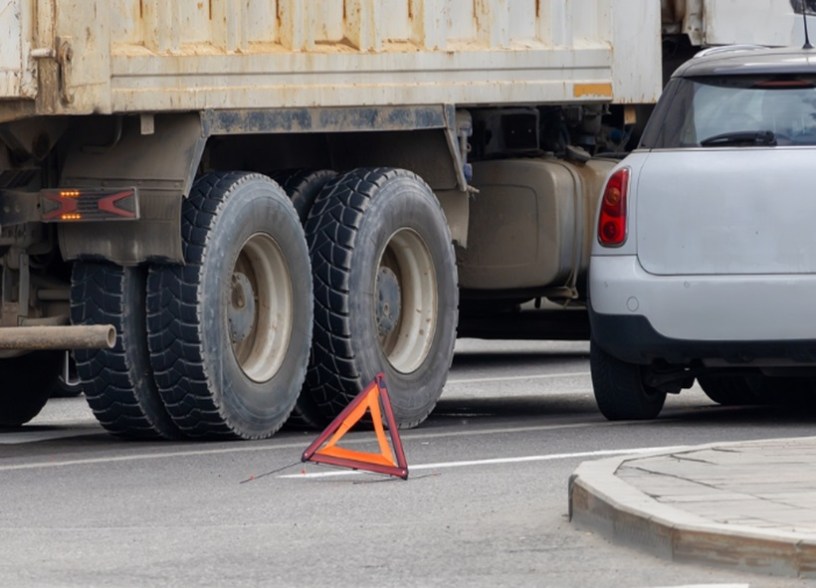
Truck accidents can have devastating impacts due to the size and weight of commercial vehicles. They often result in serious injuries, property damage, and complex legal claims. Understanding the common causes and consequences of truck accidents helps drivers, employers, and the public reduce risks and respond appropriately when incidents occur.
Common Causes of Truck Accidents
Truck accidents often arise from a combination of human, mechanical, and environmental factors:
- Driver Fatigue: Long hours on the road can lead to drowsiness, slower reaction times, and impaired decision-making, significantly increasing the risk of collisions.
- Distracted Driving: Texting, phone use, or multitasking while driving can divert attention from the road, leading to accidents.
- Speeding and Reckless Driving: Excessive speed or aggressive maneuvers can make it difficult to control large vehicles and avoid hazards.
- Mechanical Failures: Malfunctioning brakes, worn tires, or other maintenance issues can cause accidents if trucks are not properly inspected and serviced.
- Weather and Road Conditions: Rain, snow, ice, or poorly maintained roads can reduce traction and visibility, increasing the likelihood of accidents.
Consequences of Truck Accidents
The consequences of truck accidents are often severe due to the size disparity between trucks and other vehicles:
- Physical Injuries: Passengers and drivers in smaller vehicles are at high risk of serious injuries, including broken bones, spinal injuries, traumatic brain injuries, and in some cases, fatalities.
- Property Damage: Vehicles, cargo, and infrastructure may be heavily damaged, leading to costly repairs or total losses.
- Legal and Financial Implications: Truck accidents often involve complex liability issues. Multiple parties, such as drivers, trucking companies, and manufacturers, may share responsibility. Injured parties may pursue legal claims to recover medical expenses, lost wages, and damages for pain and suffering.
- Emotional and Psychological Effects: Survivors may experience trauma, anxiety, or post-traumatic stress following an accident, impacting their overall quality of life.
Prevention and Safety Measures
Reducing truck accidents requires a combination of driver training, vehicle maintenance, and regulatory compliance. Ensuring that drivers follow hours-of-service rules, conduct regular vehicle inspections, and adhere to safe driving practices is essential. Public awareness of truck blind spots and safe driving around large vehicles can also help prevent collisions.
Truck accidents are complex events with far-reaching consequences. Understanding the causes and potential outcomes highlights the importance of safety, vigilance, and preparedness on the road, while providing insight into the legal and recovery processes that follow.
This post was written by Kelly-Ann Jenkins of Jenkins Law P.L. Kelly-Ann is an insurance claim Lawyer. The information on this site is not intended to and does not offer legal advice, legal recommendations, or legal representation on any matter. Hiring an attorney is an important decision that should not be based on advertising. You need to consult an attorney for legal advice regarding your situation.
The information provided on this website does not, and is not intended to, constitute legal advice; all information, content, and materials available on this site are for general informational purposes only. Information on this website may not constitute the most up-to-date legal or other information. This website contains links to other third-party websites. Such links are only for the convenience of the reader, user, or browser; the ABA and its members do not recommend or endorse the contents of the third-party sites.

